On-page checklist 2025 sets the stage for a transformative journey into the realm of digital marketing. This essential guide lays down the foundation for not only elevating your website’s visibility but also enhancing user experience, ensuring your content resonates with both search engines and visitors alike.
As we dive deep into the essentials of on-page , we’ll explore vital components such as timely placement, effective internal linking, and the crucial impact of mobile optimization. Additionally, we will delve into advanced techniques like schema markup that are set to define the optimization landscape of 2025.
Understanding On-page Essentials
On-page is critical for optimizing a website to achieve higher rankings in search engine results. As we enter 2025, it’s essential to have a comprehensive understanding of the core components that contribute to effective on-page . This not only involves optimizing content but also ensuring that various elements work together seamlessly to enhance user experience and search engine visibility.A well-structured on-page checklist for 2025 should include several vital components that contribute to a website’s performance.
Key areas to focus on include strategy, content quality, user engagement metrics, and overall website architecture. Each of these elements plays a significant role in ensuring that the website is not only appealing to users but also meets the criteria set by search engines.
Placement in Content and Meta Tags
The strategic placement of s is paramount in optimizing content and meta tags. Proper integration helps search engines understand the context of the content, leading to improved visibility in search results.For effective placement, consider the following aspects:
- Page Titles: The target should be included at the beginning of the page title, as search engines prioritize the first few words.
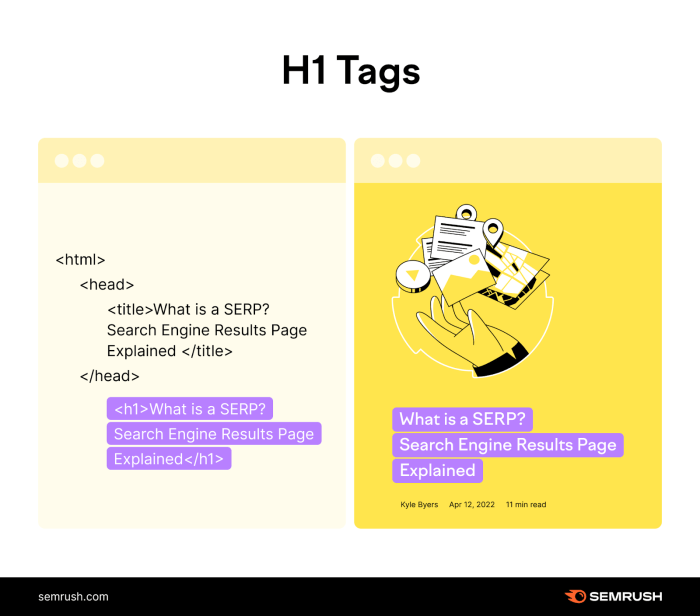
- Headings: Use s in H1 and H2 tags to signal the main topics of the page, improving relevance.
- Meta Descriptions: Craft compelling meta descriptions that incorporate s, enticing users to click through to your content.
- Content Body: Naturally weave s throughout the content, maintaining a balance to avoid stuffing.
- Image Alt Text: Describe images with relevant s, enhancing while improving accessibility.
The significance of these placements lies in their ability to boost both search engine rankings and user engagement. Effective placement ensures that content resonates with search intent, which is crucial for attracting organic traffic.
Internal Linking Structures
Internal linking is a powerful strategy that enhances website navigation while also playing an important role in . It helps search engines crawl the site more efficiently and distributes page authority across various pages.The following points highlight the importance of a solid internal linking structure:
- User Experience: Internal links guide users through related content, improving their experience and increasing time spent on the site.
- Page Authority Distribution: Internal links help pass authority from high-ranking pages to lower-ranking ones, potentially boosting their visibility.
- Clear Navigation: A well-organized internal linking structure allows users to find relevant information quickly, reducing bounce rates.
- Content Contextualization: Linking related articles or pages provides context to both users and search engines, clarifying the relationship between topics.
- Optimization: Using anchor text that includes relevant s can also enhance the value of the linked pages.
Establishing a thoughtful internal linking strategy is essential for maximizing potential and enhancing overall site usability. By carefully considering how pages interconnect, websites can create a more cohesive user experience while also improving search engine rankings.
Integrating Advanced Techniques for On-page
The landscape of on-page continues to evolve, and integrating advanced techniques is crucial for maximizing your website’s performance in search engine rankings. As we move into 2025, understanding the significance of mobile optimization, website speed, and schema markup will ensure your site not only attracts visitors but also delivers a superior user experience.
Impact of Mobile Optimization on Search Engine Rankings and User Experience
With more than half of global web traffic coming from mobile devices, the importance of mobile optimization in cannot be overstated. A mobile-friendly website enhances user experience, leading to lower bounce rates and higher engagement, which positively influences search rankings. Google’s mobile-first indexing means that the mobile version of your website is considered the primary version for ranking purposes.To effectively optimize for mobile, it is essential to focus on the following aspects:
- Responsive Design: Ensure your website adapts seamlessly to different screen sizes, providing an optimal viewing experience.
- Fast Load Times: Mobile users expect swift access to information. Aim for loading times under three seconds.
- User-friendly Navigation: Simplify menus and buttons for easy access and interaction on smaller screens.
- Readable Text: Use fonts and sizes that are easy to read without requiring zoom.
Ensuring Website Speed and Performance Meet 2025 Standards
Website speed remains a key factor in both user satisfaction and rankings. Visitors are unlikely to stay on a site that takes too long to load, making it vital to focus on speed improvements. Penalties for slower sites can be severe, leading to lost traffic and diminished conversions. Here are effective methods to enhance website speed:
- Minimize HTTP requests by reducing the number of elements on a page.
- Optimize images by compressing their sizes without sacrificing quality.
- Leverage browser caching to speed up reloads for returning visitors.
- Utilize Content Delivery Networks (CDNs) to distribute content more efficiently across the globe.
Improving loading speed can lead to a 70% increase in mobile conversions.
Importance of Schema Markup and Structured Data in Improving Search Visibility
Schema markup plays a significant role in enhancing search visibility by providing search engines with clearer information about a webpage’s content. Implementing structured data can lead to richer search results, which may include additional details like star ratings, product prices, or event schedules.The benefits of using schema markup include:
- Enhanced Rich Snippets: Rich snippets can improve click-through rates by making entries more visually appealing in search results.
- Voice Search Optimization: Schema data helps search engines provide more accurate answers to voice queries, which are increasingly popular.
- Increased SERP Visibility: Websites using structured data often experience better rankings and visibility in search engine results pages.
Incorporating schema markup is straightforward, as it can be added directly to the HTML of your pages. Using tools like Google’s Structured Data Markup Helper can simplify the process, enabling even those without extensive coding knowledge to enhance their pages efficiently.
Exploring Related Digital Marketing Strategies
The landscape of digital marketing is always evolving, and as we move into 2025, integrating various strategies can amplify your on-page efforts. Understanding the interconnectedness of these digital marketing tactics will not only enhance your website’s visibility but also lead to better engagement and conversions. This segment dives into the relationship between on-page and other digital marketing strategies that can work synergistically to optimize your online presence.
Relationship Between On-page and Search Engine Marketing Tactics
On-page is a crucial element of search engine marketing (SEM), as it directly affects how search engines crawl and index your website. Effective SEM tactics, such as research, paid advertising, and content marketing, are deeply intertwined with on-page . By optimizing page titles, headers, and meta descriptions while incorporating relevant s, businesses can improve their organic search rankings, which in turn enhances the effectiveness of paid search campaigns.Moreover, on-page ensures a seamless user experience, which is vital for reducing bounce rates and improving Quality Scores in paid advertising.
High-quality content that aligns with user intent can lead to more clicks on ads, increasing conversion rates.
Utilizing Social Media Platforms to Complement On-page Efforts
Social media plays an integral role in boosting on-page through increased visibility and engagement. By leveraging various platforms, businesses can drive traffic to their websites, which can enhance search engine rankings. Consider the following strategies to align social media with your on-page efforts:
- Create Engaging Content: Develop shareable content that encourages users to link back to your site. This can include blog posts, infographics, and videos.
- Optimize Social Media Profiles: Ensure that your social media profiles are fully optimized with s, links to your site, and consistent branding.
- Encourage User Interaction: Foster a community by responding to comments and messages, which can drive more traffic through word-of-mouth.
- Utilize Hashtags and Trends: Employ relevant hashtags to increase the reach of your posts, drawing in users who may not follow your brand yet.
Each of these strategies not only promotes your brand but also indirectly supports your on-page by enhancing visibility and generating backlinks.
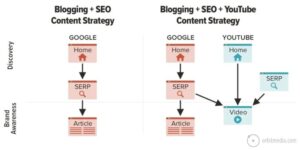
Comparison of Video Marketing Strategies That Enhance Website Engagement and
Video marketing is an increasingly vital aspect of digital marketing that can significantly enhance on-page and user engagement. Different strategies can yield varying results, and understanding these can help in fine-tuning your approach. Below is a comparison of effective video marketing strategies:
| Strategy | Benefits | Impact |
|---|---|---|
| Explainer Videos | Clarify product benefits and features | Increases time spent on page, reducing bounce rates |
| Live Streaming | Real-time engagement and interaction | Boosts brand visibility, leading to potential backlinks |
| Tutorial Videos | Educate users, establishing authority | Encourages sharing and embedding, enhancing backlinks |
| Webinars | In-depth engagement with potential customers | Generates leads and builds a subscriber list for future traffic |
Utilizing these video marketing strategies not only engages your audience but also contributes to improved performance by increasing dwell time and encouraging user interaction, which search engines favor.
Concluding Remarks
In conclusion, mastering the On-page checklist 2025 is not merely about keeping up with trends; it’s about staying ahead of the curve in a competitive digital landscape. By implementing these strategies, you’ll not only improve your search rankings but also create a more engaging and user-friendly experience that can lead to increased traffic and conversions.
Q&A
What is the main focus of the On-page checklist 2025?
The main focus is to enhance website visibility and user experience through effective practices tailored for 2025.
Why is placement important in on-page ?
placement is crucial as it helps search engines understand the content relevance, improving chances of higher rankings.
How does mobile optimization affect ?
Mobile optimization impacts significantly as search engines prioritize mobile-friendly sites, enhancing user experience and search rankings.
What role does schema markup play in ?
Schema markup improves search visibility by providing search engines with structured data, thereby enhancing the way your pages are displayed in search results.
Can social media impact on-page ?
Yes, social media can complement on-page by driving traffic and engagement, signaling to search engines that your content is valuable.